
Blog · 8 min read
A Practical Checklist Before Starting a Private-Label Spice Project
Launching a private-label spice range involves much more than selecting a few products and designing attractive packaging. Before formulation, sampling and production planning begin, several commercial and technical decisions need to be aligned. Product selection, flavour profile, pack size, packaging format, target market, expected volumes and documentation requirements can all influence how the project develops…
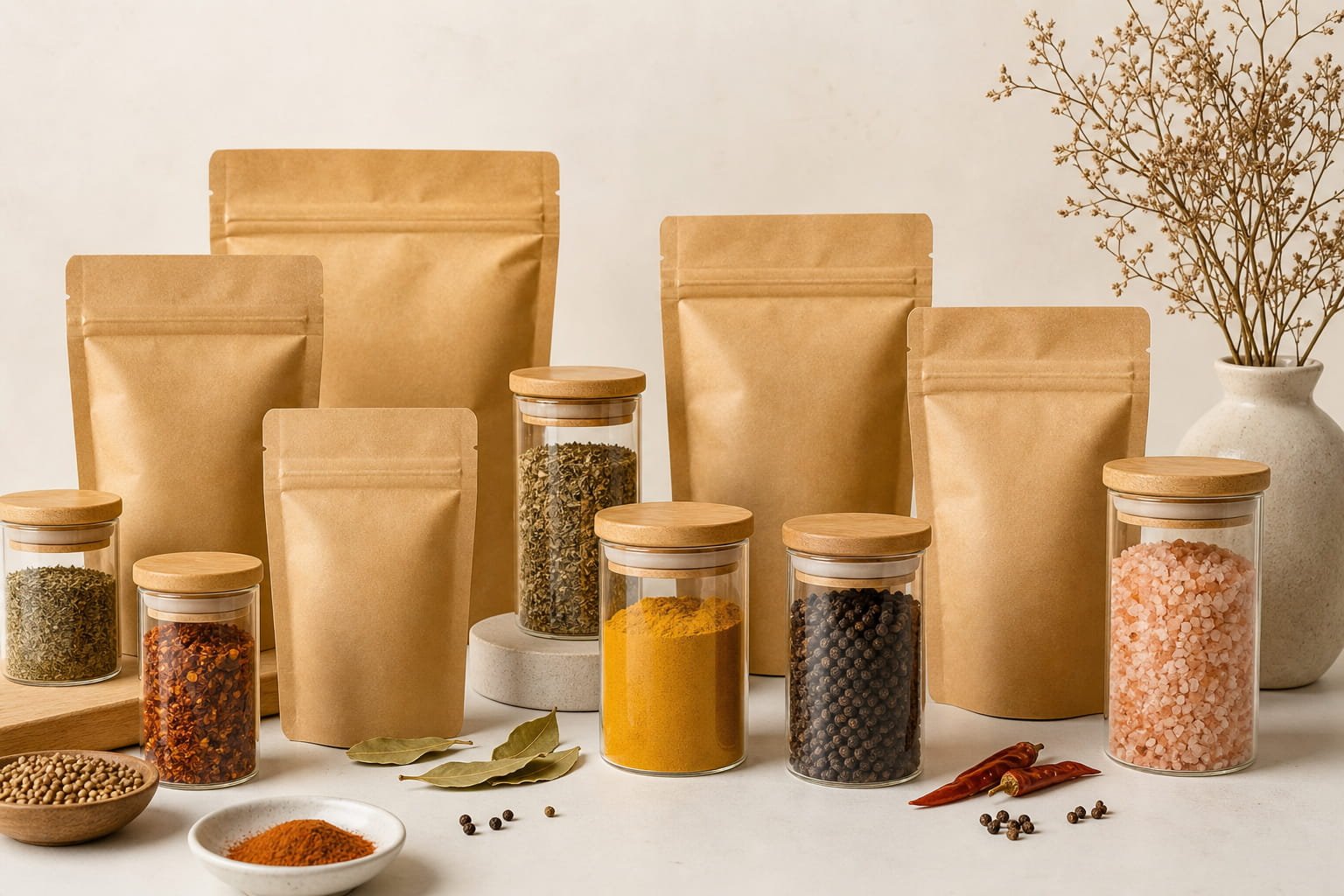
Launching a private-label spice range involves much more than selecting a few products and designing attractive packaging.
Before formulation, sampling and production planning begin, several commercial and technical decisions need to be aligned. Product selection, flavour profile, pack size, packaging format, target market, expected volumes and documentation requirements can all influence how the project develops.
A well-prepared brief helps manufacturers understand the requirement clearly and can reduce unnecessary revisions during product development.
Whether you are developing a single private-label spice product or an entire retail range, this checklist can help you prepare before approaching a manufacturer.
1. Define What You Want to Build
Start with the overall objective of the project.
Are you planning:
- A single flagship product?
- A small introductory spice range?
- A complete retail spice portfolio?
- A regional or speciality range?
- Products for supermarkets?
- A food-service range?
- Products intended primarily for export?
The answer influences everything that follows.
A brand launching five essential ground spices, for example, will have different sourcing and packaging requirements from a company developing twenty products across whole spices, ground spices and spice blends.
At this stage, prepare a simple list containing:
Product name | Product category | Expected pack size | Target market
It does not need to be final. A working product range gives the manufacturer a much clearer starting point.
2. Identify Your Target Customer and Market
Knowing where and to whom you intend to sell the product is an important part of private-label planning.
Consider whether your products are intended for:
- Supermarkets
- Grocery stores
- Specialty retailers
- E-commerce
- Food-service customers
- Distributors
- Institutional buyers
- International markets
You should also identify the destination country or countries as early as possible.
Why?
Because market requirements can affect decisions concerning packaging, labelling, product specifications and documentation.
A product developed for the Indian retail market may not have exactly the same commercial or documentation requirements as one being developed for an overseas market.
3. Finalise the Product Format
The next question is straightforward:
What exactly do you want to sell?
Depending on the range, the requirement could include:
Whole Spices
Such as cumin, coriander, fennel, cardamom, black pepper, chillies and other whole spices.
Ground Spices
Such as turmeric powder, chilli powder, coriander powder, cumin powder and black pepper powder.
Spice Blends
Products developed around a defined recipe or flavour profile.
Seasonings
Application-oriented seasoning formulations for snacks, processed foods or other food products.
Dehydrated Products
Products such as dehydrated onion, garlic and other ingredients supplied in suitable formats.
Defining the product format early helps keep formulation, sourcing and packaging discussions focused.
4. Define the Flavour and Sensory Direction
You do not necessarily need to have a finished formulation before contacting a manufacturer.
However, you should be able to explain what you expect from the product.
For spice blends and seasonings, consider factors such as:
- Heat level
- Aroma
- Colour
- Salt level
- Regional flavour profile
- Texture
- Ingredient preferences
- Ingredients that should be avoided
- Allergen considerations
- Intended food application
If you already have a reference product, that can make the development process more focused.
Instead of simply saying:
“We want something similar to this product,”
explain what you like and what you want to change.
For example:
“We like the overall flavour profile, but would prefer slightly lower heat and a stronger coriander note.”
Clear sensory direction can make sample evaluation significantly more productive.
5. Decide the Pack Sizes
Pack size is a commercial decision as much as a packaging decision.
Think about the buying behaviour of your target customer.
A retail range might require sizes such as:
- 50 g
- 100 g
- 200 g
- 500 g
Food-service or institutional products may require considerably larger formats.
Instead of choosing pack sizes independently for every product, consider developing a structured range.
For example:
Everyday Spices: 100 g / 200 g
Premium Spices: 50 g / 100 g
Food-Service Range: Larger bulk formats
A structured approach can make the overall product portfolio easier to manage.
6. Choose the Packaging Direction Early
Packaging should not be left until the final stage of product development.
The preferred packaging format can influence fill quantity, artwork dimensions, labelling and overall product presentation.
Depending on the product and commercial requirement, you may need to consider options such as:
- Pouches
- Jars
- Containers
- Bulk packs
- Food-service packs
- Retail-ready packaging
At this stage, you do not necessarily need final artwork.
But you should ideally know:
Pack format + approximate pack size + brand positioning + destination market
This gives both the brand and manufacturer a better foundation for further packaging discussions.
7. Prepare Your Brand Assets
For an own-label or private-label project, collect your basic brand information before artwork development begins.
This could include:
- Brand logo
- Brand colours
- Typography
- Existing packaging references
- Brand guidelines
- Product naming convention
- Preferred visual style
- Target customer profile
If your brand identity has not yet been finalised, establish at least a basic visual direction before creating packaging across an entire product range.
This can help maintain consistency as additional products are introduced.
8. Consider Labelling Requirements
Packaging design is not only about visual appearance.
Space may also be required for product and regulatory information relevant to the intended market.
Depending on the product and destination, this could involve information such as:
- Product name
- Ingredient declaration
- Net quantity
- Nutritional information
- Batch information
- Manufacturing or packing information
- Storage instructions
- Best-before information
- Barcode
- Country of origin
- Importer or distributor information
- Required regulatory declarations
Requirements can vary between markets, so they should be reviewed for the specific destination rather than assuming that one label format will work everywhere.
This is particularly important for export-oriented private-label projects.
9. Estimate Your Expected Volumes
One of the most useful pieces of information you can provide a manufacturer is an approximate quantity.
You may not know the exact order quantity initially, and that is perfectly reasonable.
However, provide an estimate such as:
Expected quantity per SKU:
5,000 packs
or:
Estimated monthly requirement:
500–1,000 kg
or:
Initial requirement:
Trial commercial order followed by regular monthly orders
Estimated volumes help frame discussions around production and packaging more realistically.
10. Identify Your Documentation Requirements
Documentation requirements can vary depending on the buyer, product and destination market.
If your organisation, customer, distributor or importing country expects specific documents during supplier evaluation or shipment, communicate this early.
Instead of requesting documentation after product development has progressed, include expected requirements in the original enquiry.
This allows the manufacturer to understand the complete commercial requirement from the beginning.
11. Plan the Sampling Process
Samples are an important part of private-label development.
Before requesting samples, determine what exactly you need to evaluate.
Depending on the product, you may want to review:
- Appearance
- Colour
- Aroma
- Flavour
- Heat level
- Texture
- Particle size
- Performance in the intended application
For blends and seasonings, test the sample in the actual intended food application whenever possible.
A seasoning evaluated directly may taste very different once applied to the finished food product.
Record feedback systematically rather than relying on general comments such as “make it stronger” or “change the taste.”
More specific feedback usually makes subsequent development discussions easier.
12. Define Your Target Launch Timeline
Private-label development involves multiple stages.
These may include:
Initial Brief → Product Discussion → Sampling → Evaluation → Revision → Approval → Packaging Alignment → Manufacturing Planning
Build sufficient time into your launch plan for evaluation and possible revisions.
If you have a specific launch deadline, share it during the initial discussion.
For example:
Target market launch: September
Required product availability: August
This gives everyone involved a clearer understanding of the project schedule.
Private-Label Project Checklist
Before sending your first enquiry, try to have answers to the following questions:
Product
☐ What products do we want to launch?
☐ Whole, ground, blend, seasoning or dehydrated format?
☐ Do we have reference products or formulations?
☐ What sensory characteristics are important?
Market
☐ Who is our target customer?
☐ Where will the product be sold?
☐ Which country or countries are we targeting?
☐ Retail, food service, distribution or another channel?
Packaging
☐ What pack sizes do we require?
☐ What packaging format are we considering?
☐ Do we already have branding guidelines?
☐ Is packaging artwork available?
Commercial Requirement
☐ Estimated quantity per SKU?
☐ Number of SKUs?
☐ Expected ordering frequency?
☐ Target launch date?
Technical & Documentation
☐ Any particular product specifications?
☐ Any ingredient restrictions?
☐ Any documentation requirements?
☐ Any destination-market requirements that need consideration?
Sampling
☐ Which products require samples?
☐ How will samples be evaluated?
☐ Who will approve the samples?
What Should Your First Private-Label Enquiry Include?
You do not need a complicated project document to begin discussions with a manufacturer.
A useful initial enquiry can simply contain:
Company / Brand:
Your company or brand name
Products Required:
List of products or proposed SKUs
Product Format:
Whole / Ground / Blend / Seasoning / Dehydrated
Pack Sizes:
Required consumer or bulk pack sizes
Estimated Quantity:
Approximate requirement per product
Target Market:
Country and sales channel
Packaging Requirement:
Preferred format or existing packaging direction
Product Requirements:
Flavour, specification or other relevant requirements
Documentation:
Any documents expected during evaluation
Target Timeline:
Expected sample, production or launch period
This information provides a much stronger starting point than simply asking:
“Please send your private-label spice price list.”
Private-label projects involve interconnected decisions, and price is only one part of the discussion.
Build the Product Brief Before the Packaging
One of the most important principles in private-label development is simple:
Define the product and commercial requirement before investing heavily in final packaging.
Product format, formulation, pack size, market requirements and production considerations can all affect packaging decisions.
Aligning these elements early can help avoid unnecessary artwork revisions and keep the development process more organised.
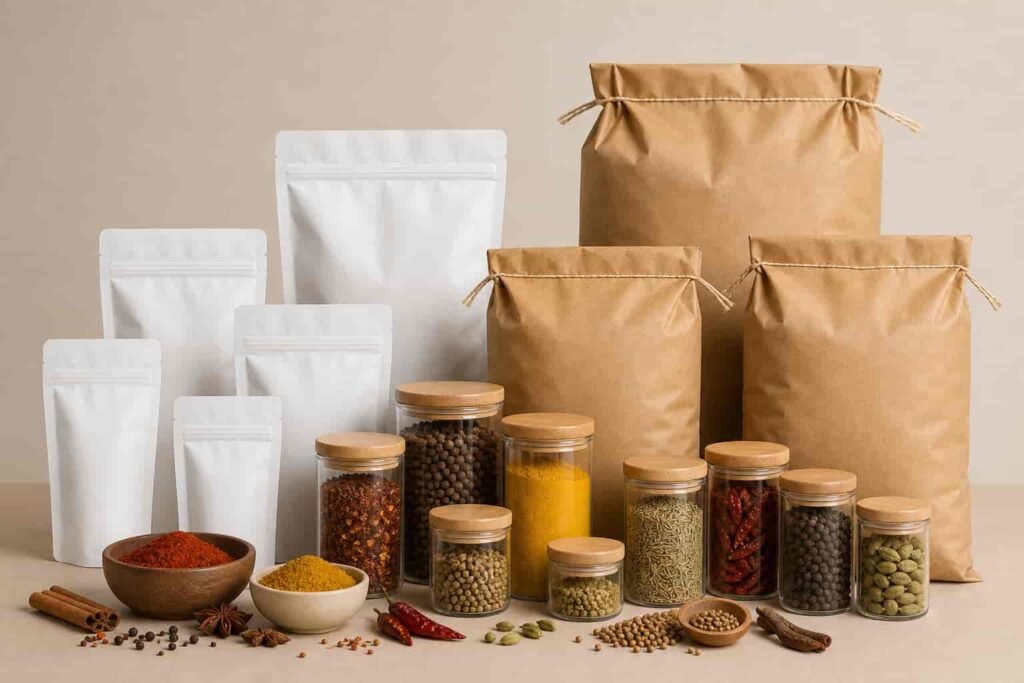
Planning a Private-Label Spice Range?
Aditya Food Product works with food brands, retailers, distributors, manufacturers and international buyers across whole spices, ground spices, spice blends, seasonings and dehydrated products.
If you are evaluating a private-label spice project, start by sharing your proposed product range, pack sizes, approximate quantities, packaging preference and destination market.
A clear brief provides the foundation for productive discussions around product development, sampling, packaging and manufacturing planning.
Aditya Food Product
Indian Spice Manufacturer | Private Label | Bulk & Export Supply